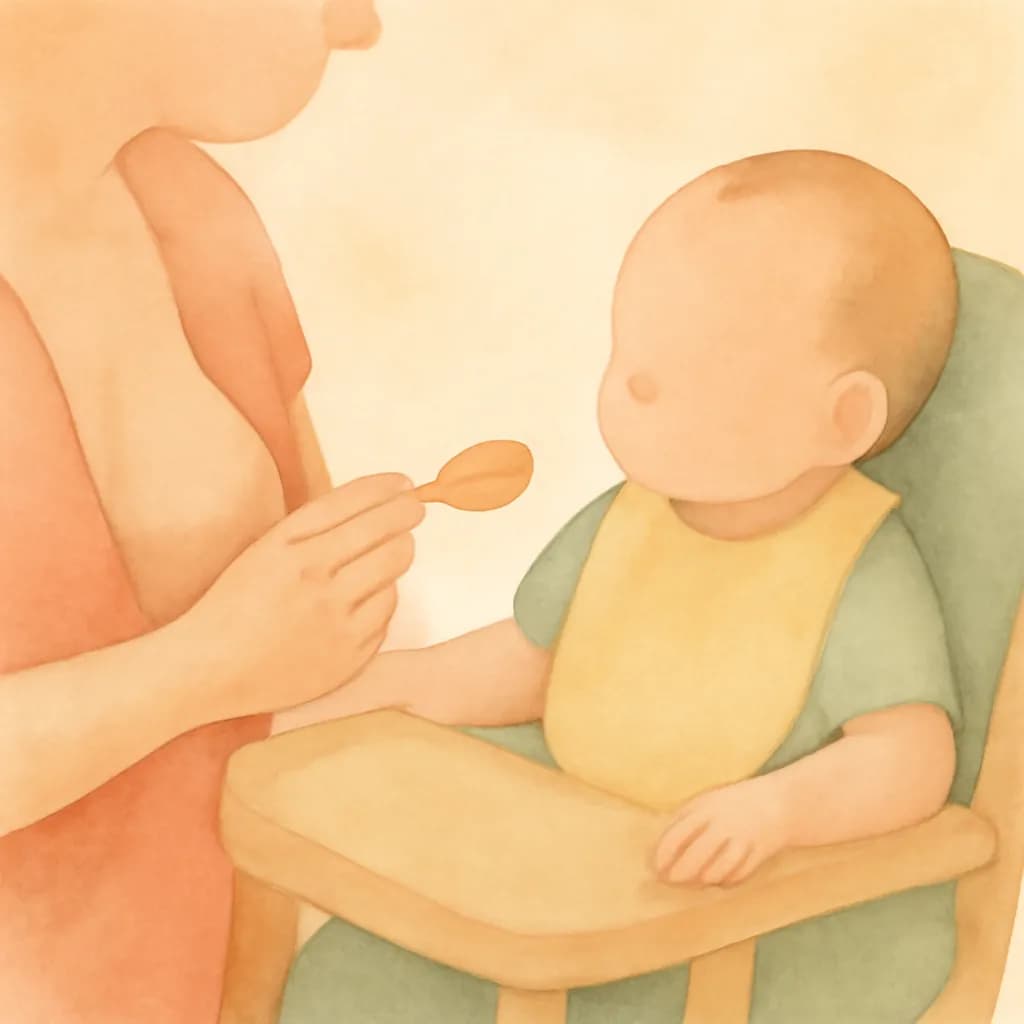
What 6-12 month olds need
Babies between 6 and 12 months continue to rely primarily on breast milk for nutrition while gradually exploring solid foods. Breastfeeding remains important and should not be reduced too early.
Introducing solids complements milk feeds and helps meet growing iron and nutrient needs as your baby develops new skills and tastes.
Why this schedule works
- Breast milk provides essential nutrients and immune support during the first year.
- Solids help develop chewing skills and introduce new tastes and textures.
- Iron-rich foods are important from 6 months as natural iron stores decrease.
- Breastfeeding on demand meets your baby's hunger and comfort needs.
- Offering solids 30-60 minutes after milk ensures your baby is ready to eat.
- Gradually increasing solids and snacks supports growing energy and nutrient requirements.
When to consult your pediatrician
- Your baby consistently refuses breast milk or solids and shows signs of dehydration.
- There is poor weight gain or noticeable weight loss over time.
- Your baby has difficulty swallowing or persistent choking during feeds.
- You notice persistent vomiting, diarrhea, or blood in stools.
Sample daily schedule
7am - Morning milk feed
Start the day with a breastfeed on demand to satisfy your baby's hunger and provide comfort.
8am - First solid meal
Offer a small portion of iron-rich solid food about 30-60 minutes after breastfeeding, such as pureed meat or fortified cereals.
11am - Mid-morning milk feed
Breastfeed again on demand to maintain milk intake and hydration.
1pm - Second solid meal
Provide a variety of soft, mashed vegetables or fruits to encourage acceptance of different flavors.
3pm - Afternoon milk feed
Offer breast milk to keep your baby nourished and comforted between solids.
5pm - Third solid meal
Serve a balanced meal including protein, vegetables, and grains to support growth.
7pm - Evening milk feed
Breastfeed before bedtime to help your baby settle and meet nutritional needs.
Optional - Healthy snacks (9-12 months)
From around 9 months, introduce healthy snacks like soft fruit pieces or yogurt between meals.
Frequently asked questions
Should I reduce breastfeeding when starting solids?
No, breast milk remains your baby's main source of nutrition until around 9 to 12 months. Continue breastfeeding on demand while gradually introducing solids.
How long after breastfeeding should I offer solids?
It's best to offer solid foods about 30 to 60 minutes after a breastfeed when your baby is alert and ready to eat.
What types of solids should I start with?
Begin with iron-rich foods such as pureed meats, iron-fortified cereals, or mashed legumes to support your baby's iron needs.
How often should my baby breastfeed between 6 and 12 months?
Breastfeeding frequency varies but generally ranges from on demand at 6 months to about 4-5 times daily by 9 to 12 months.
When can I introduce snacks to my baby?
Healthy snacks can be introduced from around 9 months, including soft fruits, yogurt, or small pieces of cooked vegetables.
Is it normal if my baby prefers breast milk over solids?
Yes, many babies prefer breast milk as it is familiar and comforting. Keep offering solids regularly without pressure to encourage acceptance.
How important are iron-rich foods after 6 months?
Very important. Babies’ natural iron stores decrease around 6 months, so including iron-rich solids supports healthy growth and development.
Get your baby's personalized feeding plan
A daily feeding schedule, 350+ age-matched recipes, allergen tracking and cutting guides - all tailored to your baby's age in the Nibli app.
verifiedSources & References
This guide is informed by current guidelines from leading health organizations: