What do you want to know?
Deep dive
Chicken →Chicken for babies: age guidance, how to cook and shred to avoid choking, protein and nutrient info, allergy considerations and family-friendly purees and finger-food recipes.
Nutrition highlights
- Protein - high-quality complete protein for muscle development and growth.
- Iron - heme iron from meat is well absorbed and important from 6 months.
- Zinc - supports immune health and growth.
- Vitamin B12 and B6 - support nerve function and energy metabolism.
Safety quick tips
- Chicken must be fully cooked with no pink inside and juices running clear.
- Ensure it's tender and moist enough to shred or mash - dry, tough meat is a choking risk.
- Remove all bones, skin, gristle, and cartilage before serving.
Common questions
Can babies eat Chicken?
Yes. Babies can eat Chicken starting around 6 months when they begin solid foods. It should be served in a safe texture and size for babies.
When can babies eat Chicken?
Babies can eat Chicken from around 6 months when starting solids. Babies can eat chicken from around 6 months, once they're starting solids. Chicken must be fully cooked (no pink, juices run clear) and soft enough to mash between your fingers - shredded or strip-shaped works best. Meat is one of the best sources of iron from around 6 months, when a baby's own iron stores start to run low, so offering it regularly is valuable.
Is Chicken a choking hazard for babies?
Chicken can be a choking hazard if served in unsafe shapes. Chicken must be fully cooked with no pink inside and juices running clear. Ensure it's tender and moist enough to shred or mash - dry, tough meat is a choking risk. Remove all bones, skin, gristle, and cartilage before serving. Avoid large chunks; offer shredded strips or soft meatballs instead. Don't add salt or stock cubes (high in salt) when cooking chicken for babies. Reheat cooked chicken until piping hot, then cool before serving.
Is Chicken a common allergen?
Chicken is not typically a common allergen for babies. Many babies can try it from around 6 months as part of a varied diet.
How should Chicken be served to babies?
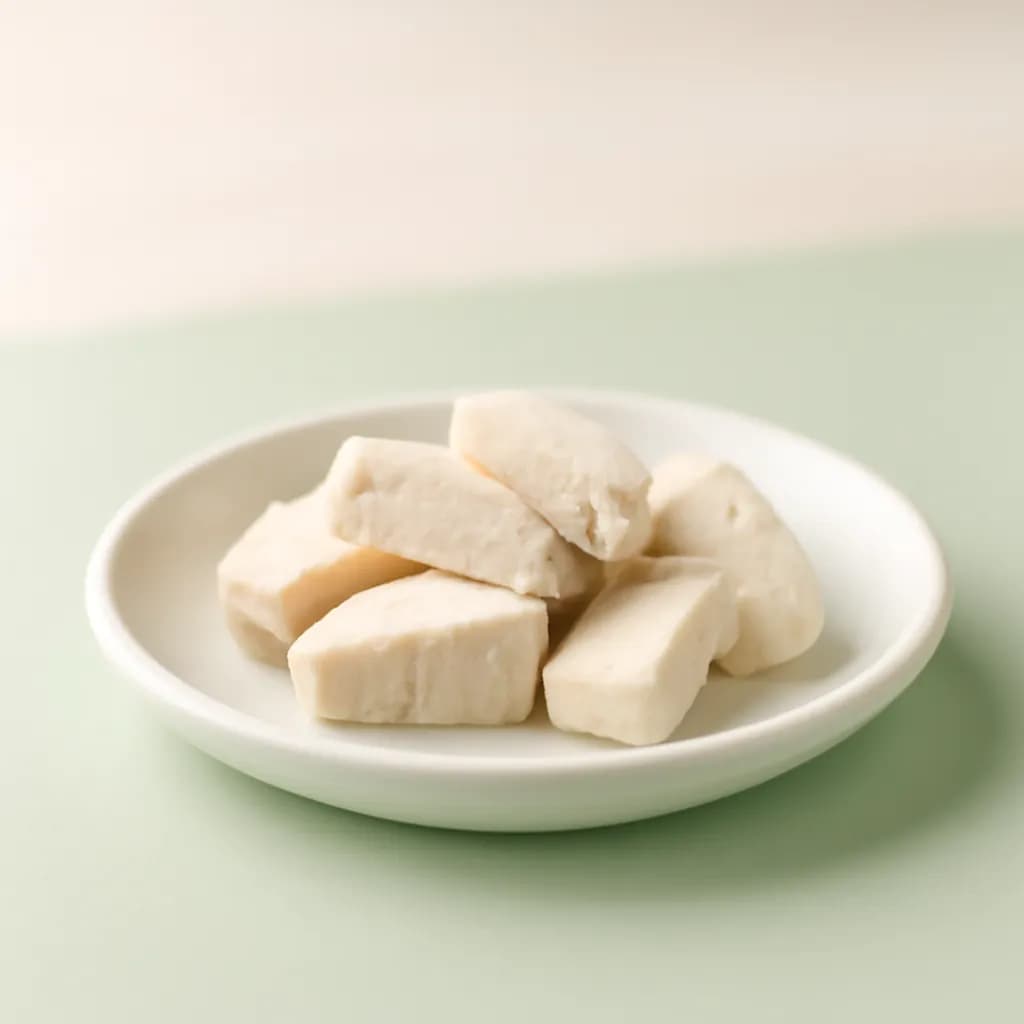
6–9 months: Shred slow-cooked or poached chicken into soft, thin strips a baby can hold, or blend into a smooth purée with vegetables and a little cooking liquid. 6–9 months: Soft chicken meatballs (finely minced, moistened with grated veg) are easy to grip and gum. 9–12 months: Smaller shredded pieces or diced soft chicken as the pincer grasp develops. 12+ months: Chicken in family meals - curries, stews, pasta - kept low-salt and cut to a safe size.
What nutrients does Chicken provide for babies?
Chicken provides nutrients like iron, protein that support babies' growth and development.
How long can I store Chicken for babies?
Cook Chicken to a safe temperature and store it in the refrigerator for up to 2 days, or freeze in single-serving portions for up to 1 month to preserve nutrients.
Should I buy organic Chicken for my baby?
Organic Chicken isn't strictly necessary for babies, but some families prefer to reduce pesticide exposure. Wash conventional produce thoroughly. Variety and freshness matter most.