What do you want to know?
Deep dive
Turkey →Turkey for babies: when to introduce, safe cooking and shredding methods, lean protein and iron benefits, portion guidance and simple family-friendly purees and finger-food recipes.
Nutrition highlights
- Protein - high-quality complete protein for growth and muscle development.
- Iron - well-absorbed heme iron, important from 6 months.
- Zinc - supports immune health and growth.
- Vitamin B6 and B12 - support nerve function and energy metabolism.
Safety quick tips
- Turkey must be fully cooked with no pink inside and juices running clear.
- Ensure it's tender and moist enough to shred or mash - dry, lean turkey is a choking risk, so add sauce or purée.
- Remove all bones, skin, and gristle before serving.
Common questions
Can babies eat Turkey?
Yes. Babies can eat Turkey starting around 6 months when they begin solid foods. It should be served in a safe texture and size for babies.
When can babies eat Turkey?
Babies can eat Turkey from around 6 months when starting solids. Babies can eat turkey from around 6 months, once they're starting solids. Turkey must be fully cooked (no pink, juices run clear) and tender enough to mash or shred - moisten dry meat with sauce or purée. Meat is one of the best iron sources from 6 months, so offer it regularly.
Is Turkey a choking hazard for babies?
Turkey can be a choking hazard if served in unsafe shapes. Turkey must be fully cooked with no pink inside and juices running clear. Ensure it's tender and moist enough to shred or mash - dry, lean turkey is a choking risk, so add sauce or purée. Remove all bones, skin, and gristle before serving. Avoid processed turkey (deli slices, salty roasts) - too high in salt for babies. Offer shredded strips or soft meatballs rather than firm chunks. Don't add salt or stock cubes when cooking turkey for babies.
Is Turkey a common allergen?
Turkey is not typically a common allergen for babies. Many babies can try it from around 6 months as part of a varied diet.
How should Turkey be served to babies?
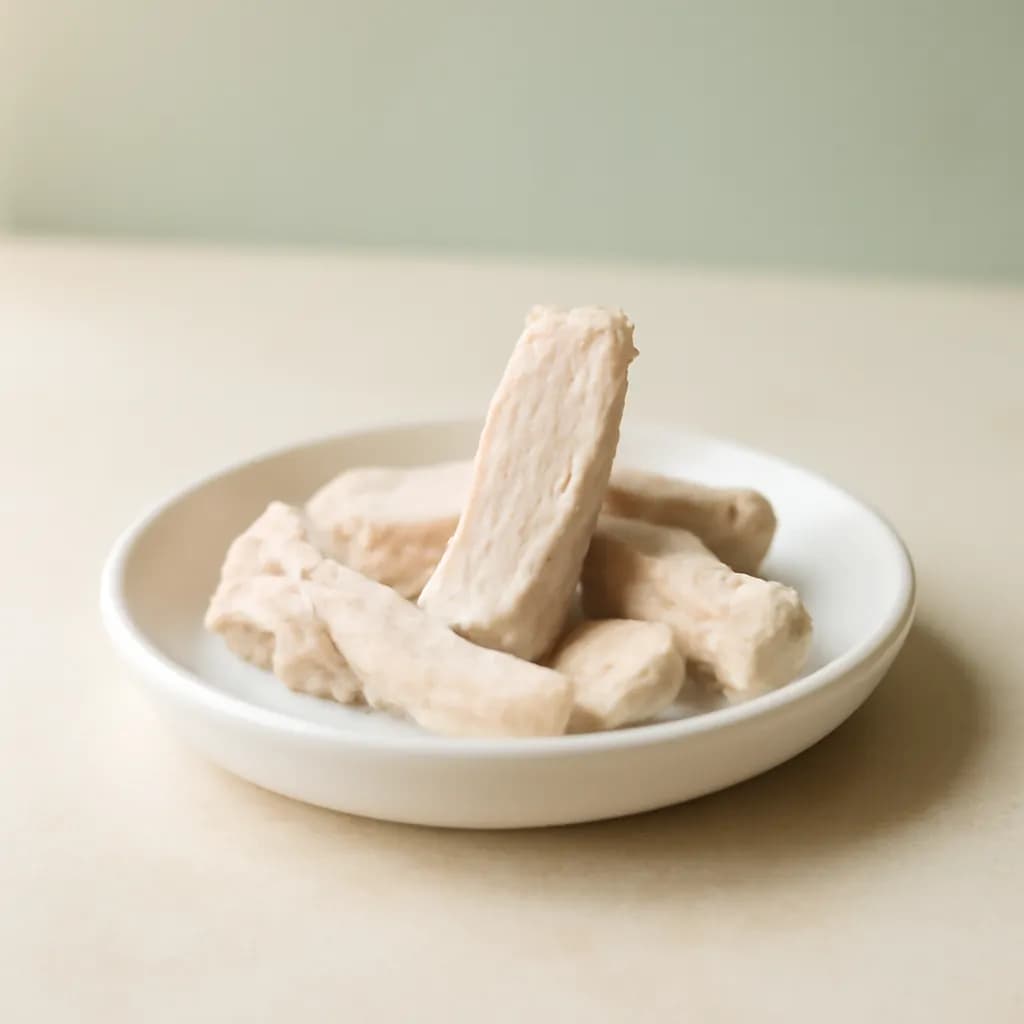
6–9 months: Poach or slow-cook turkey until very tender, then shred into soft, moist strips or blend into a purée with vegetables and cooking liquid. 6–9 months: Soft turkey meatballs (finely minced, moistened with grated veg) are easy to grip and gum. 9–12 months: Smaller shredded pieces or soft minced turkey as the pincer grasp develops. 12+ months: Turkey in family meals - stews, bolognese, and casseroles - kept low-salt and tender.
What nutrients does Turkey provide for babies?
Turkey provides nutrients like vitamin B6, iron, protein that support babies' growth and development.
How long can I store Turkey for babies?
Cook Turkey to a safe temperature and store it in the refrigerator for up to 2 days, or freeze in single-serving portions for up to 1 month to preserve nutrients.
Should I buy organic Turkey for my baby?
Organic Turkey isn't strictly necessary for babies, but some families prefer to reduce pesticide exposure. Wash conventional produce thoroughly. Variety and freshness matter most.