Skip to content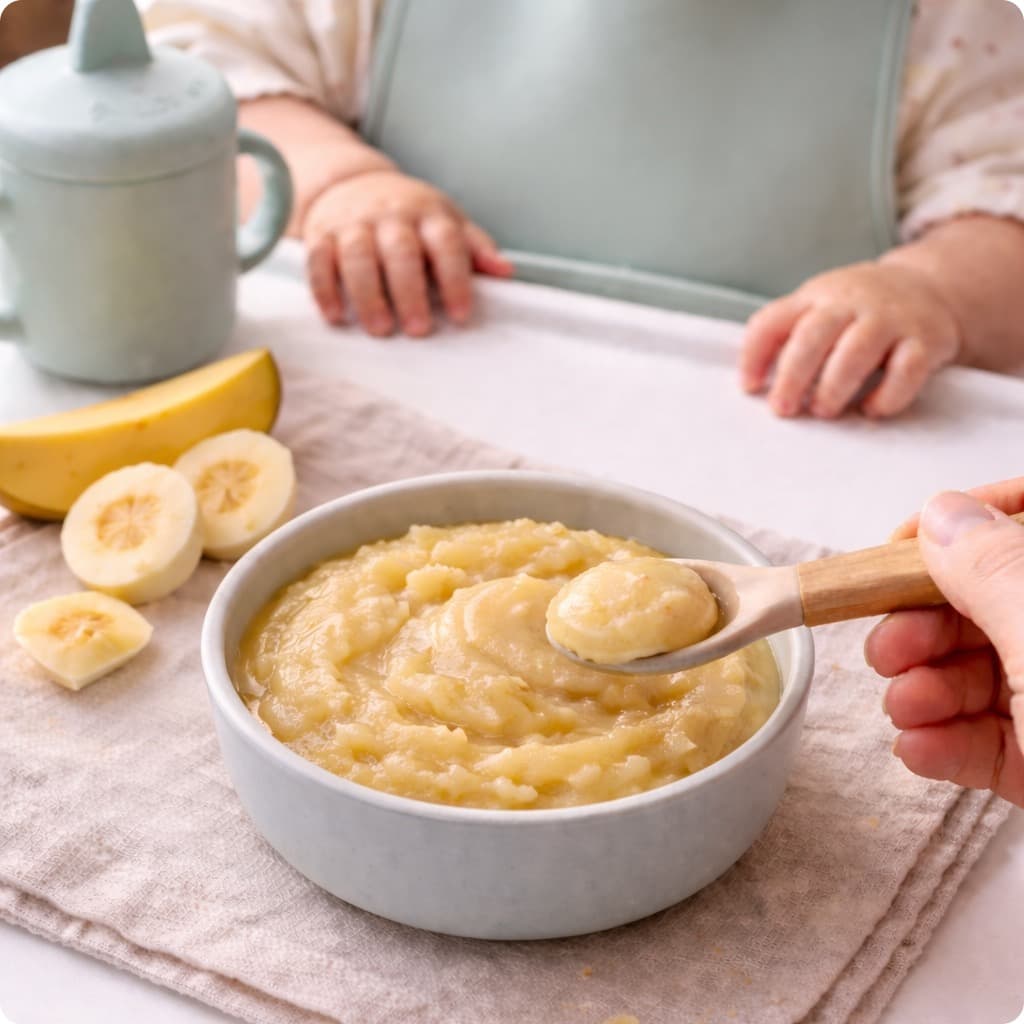

Potassium Baby Recipes
Nutritious recipes with potassium.
This recipe provides potassium, supporting your baby's healthy development.
15 recipes
Banana Mash
child_care6 months+schedule0 min
PotassiumEnergy
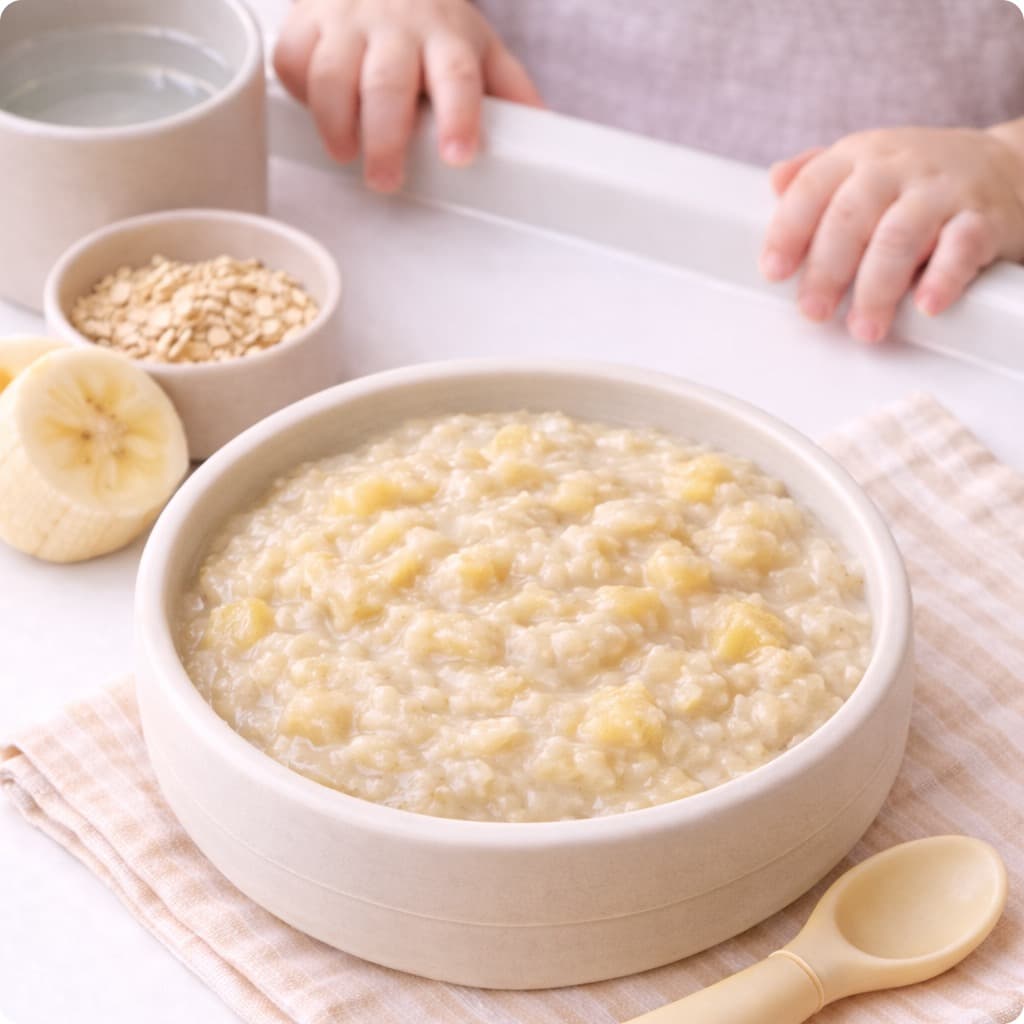
Banana Rice Cereal Breakfast
child_care6 8 monthsschedule5 minutes
Easy DigestionPotassium
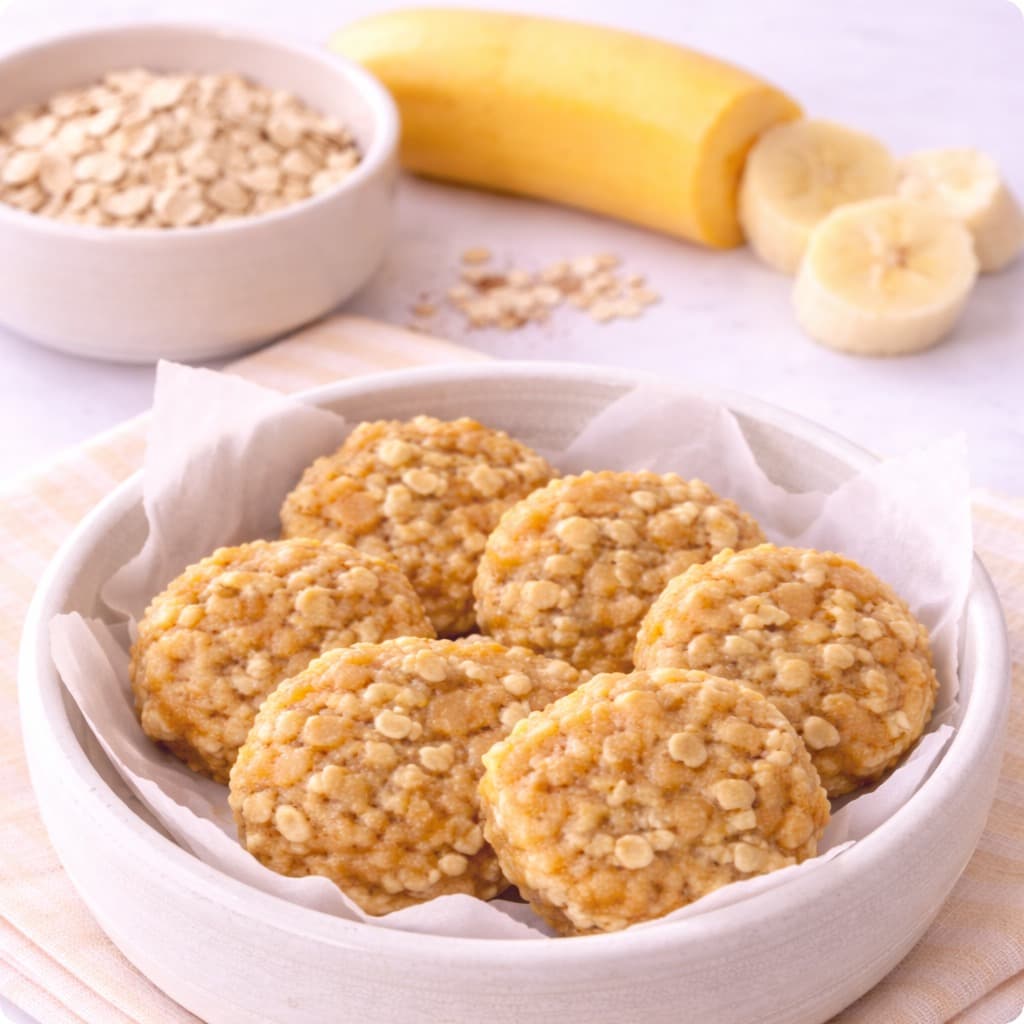
Banana Oat Cookies (2 Ingredients)
child_care6 12 monthsschedule12 minutes
Easy DigestionFiber
Creamy Buckwheat Banana Bowl
child_care6 months+schedule15 min
EnergyFiber
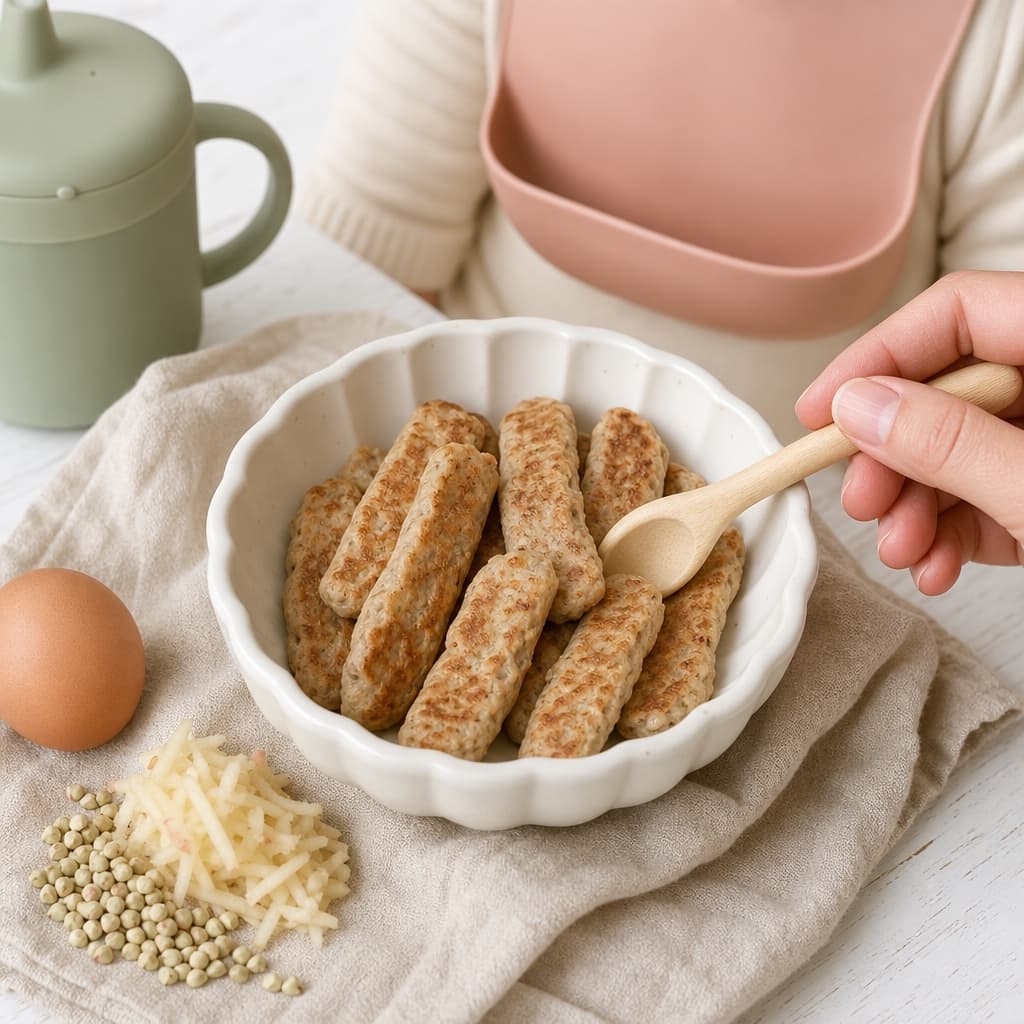
Apple Buckwheat Pancake Strips
child_care7 months+schedule15 min
EnergyFiber
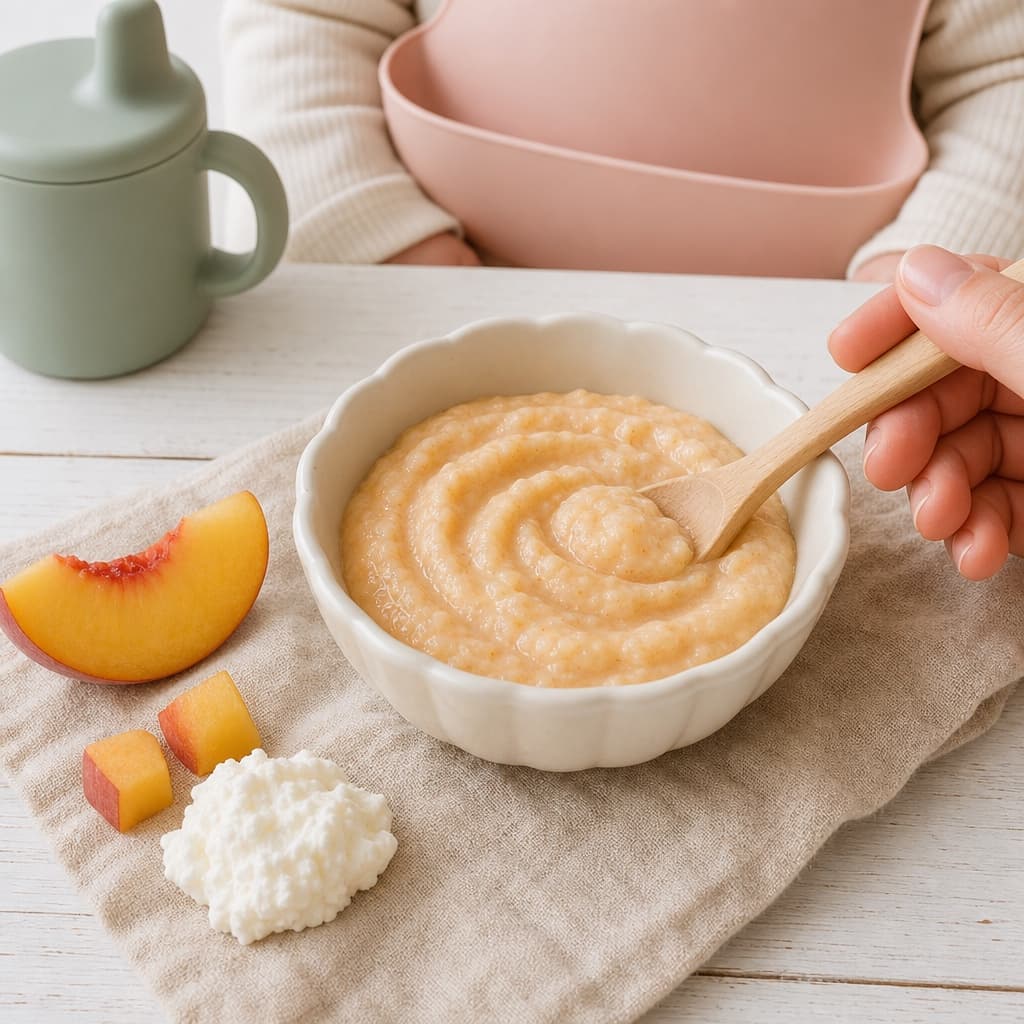
Peach Ricotta Breakfast Cream
child_care6 months+schedule10 min
EnergyCalcium
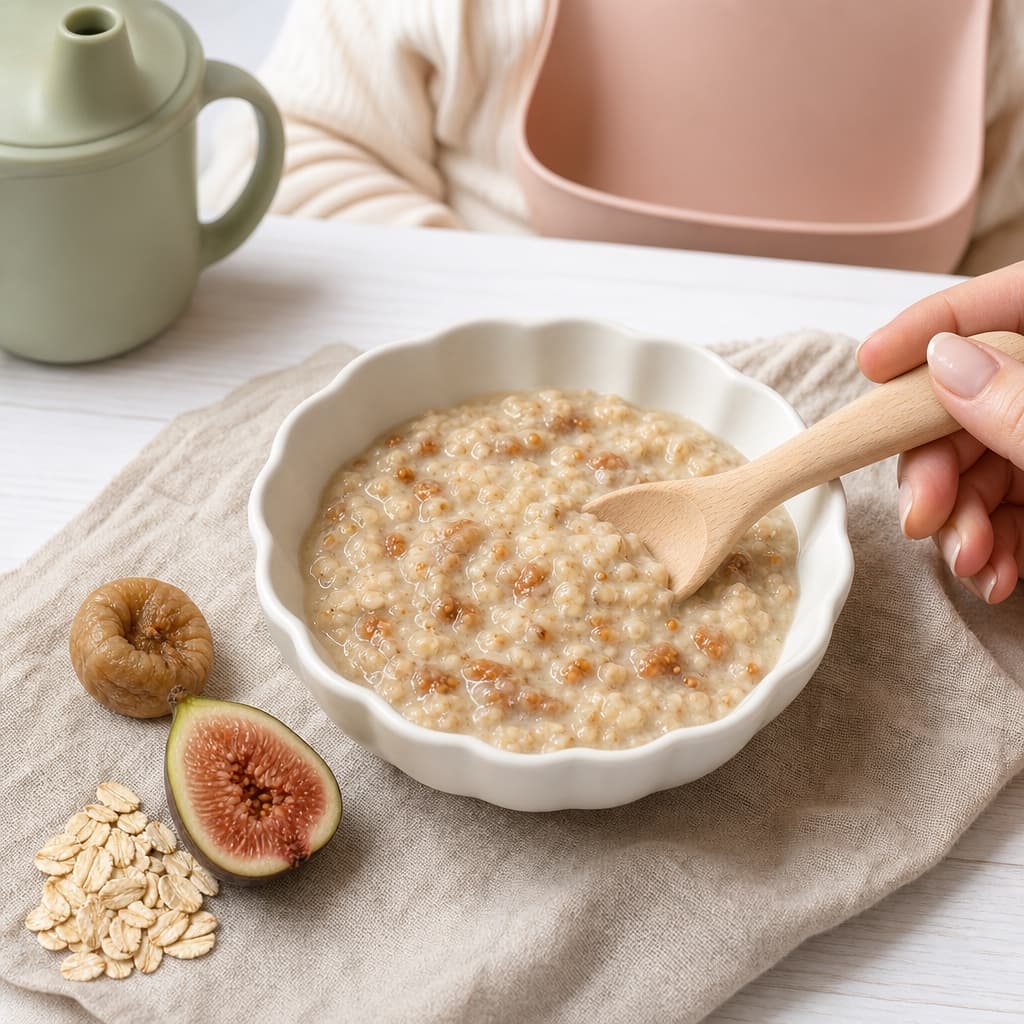
Fig Oatmeal Cream
child_care8 months+schedule10 min
FiberEnergy
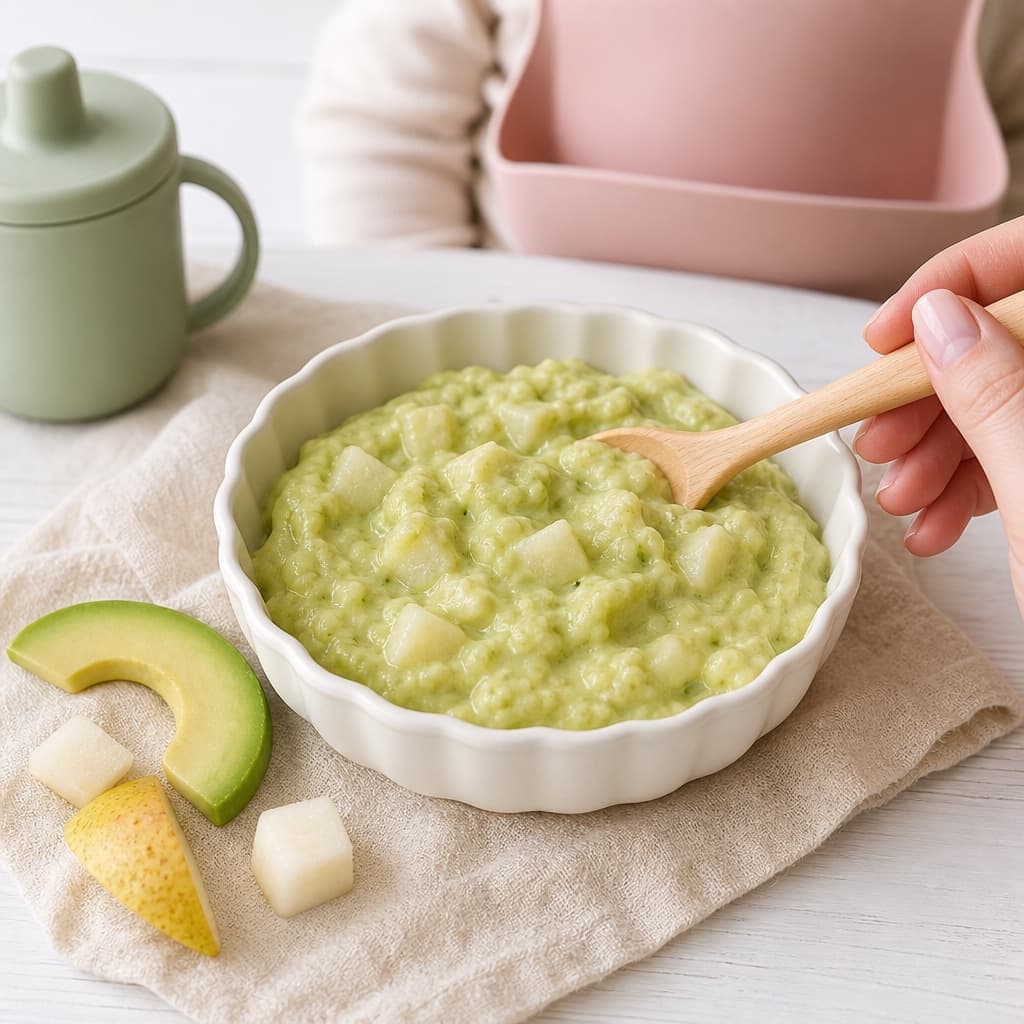
Avocado Pear Breakfast Mash
child_care6 months+schedule10 min
Healthy FatsEnergy
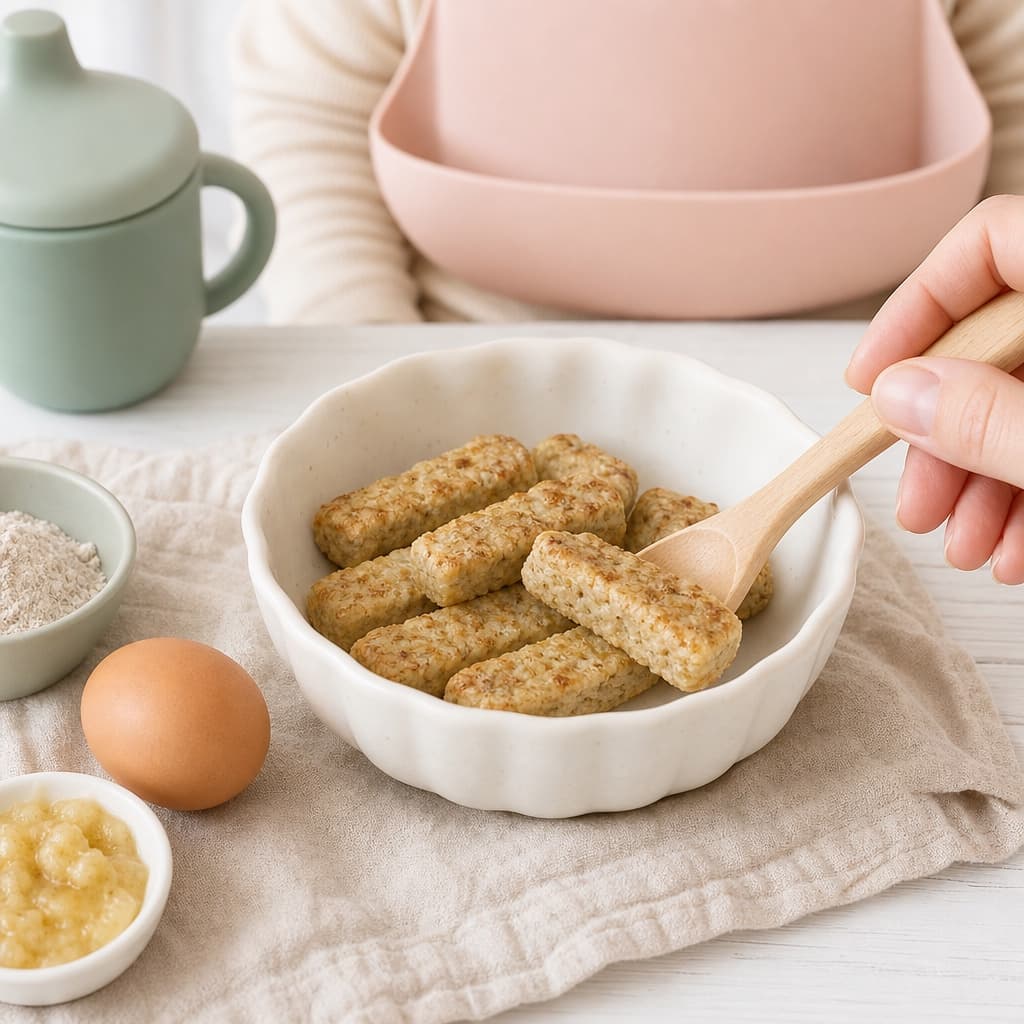
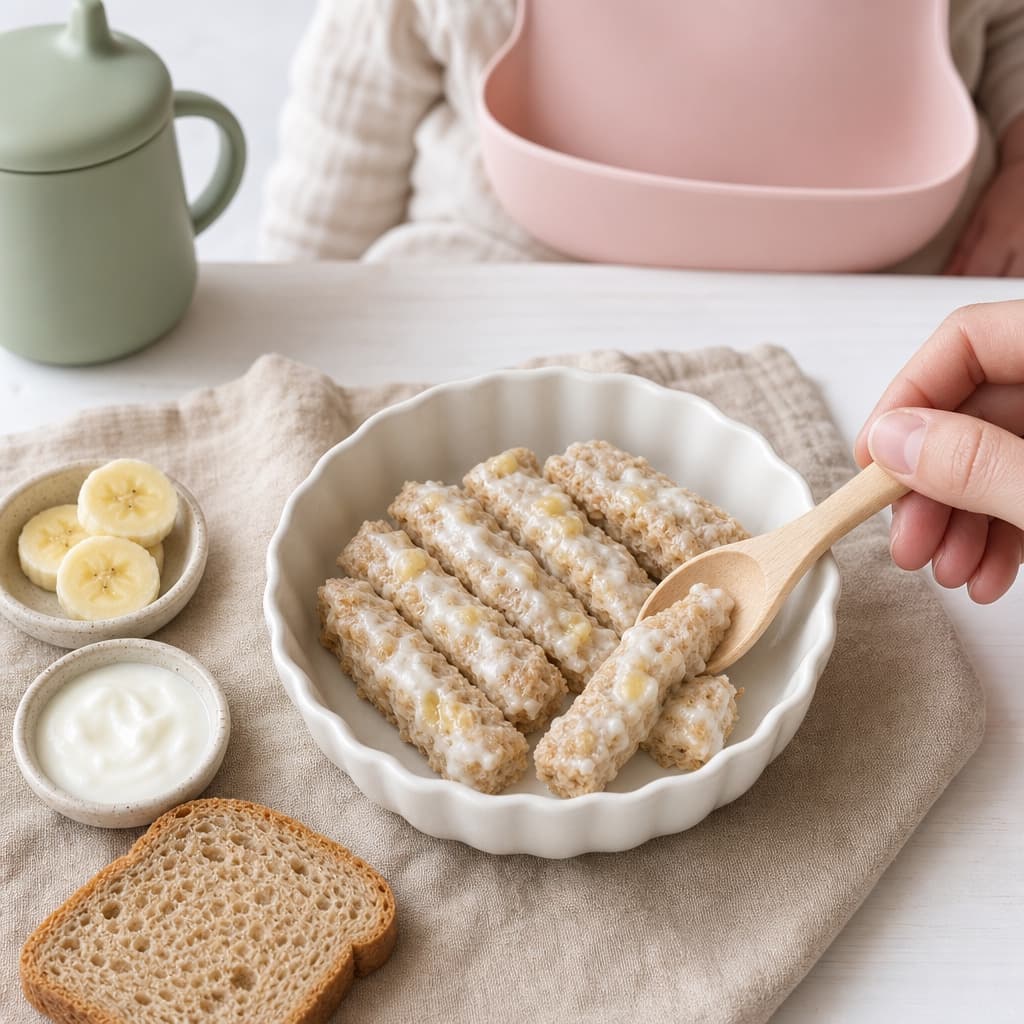
Rye Banana Breakfast Fingers
child_care9 months+schedule20 min
EnergyFiber
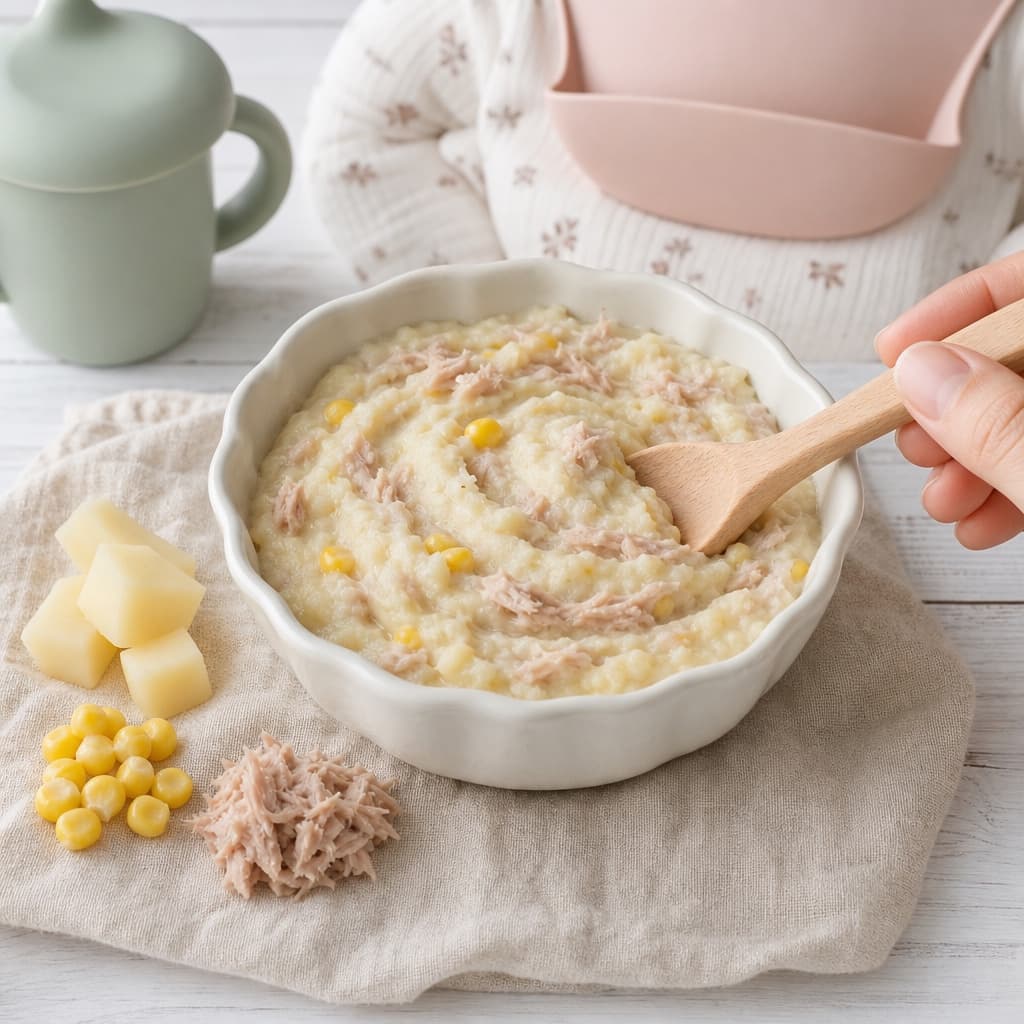
Tuna Potato Sweetcorn Mash
child_care12 months+schedule15 min
ProteinHigh Protein
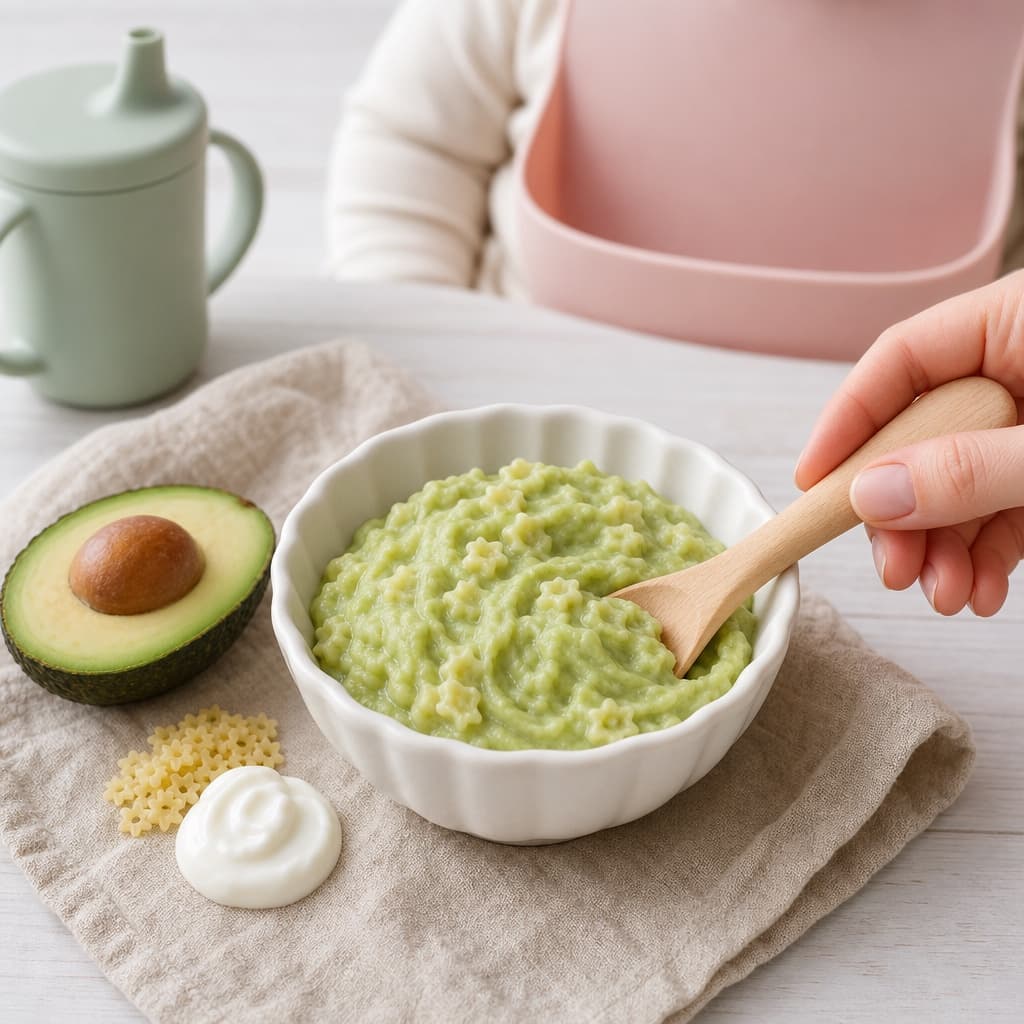
Creamy Avocado Pasta
child_care9 months+schedule15 min
Healthy FatsEnergy
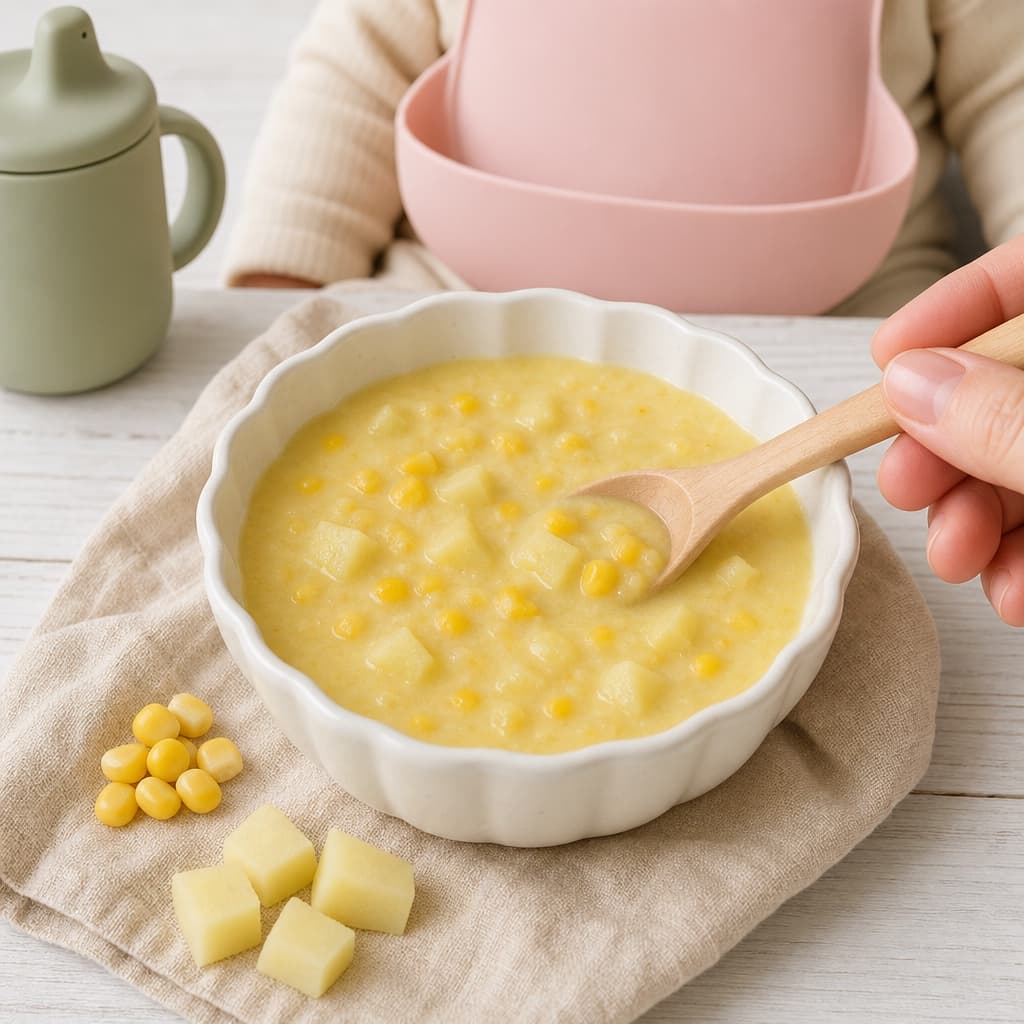
Sweetcorn Potato Chowder
child_care10 months+schedule20 min
EnergyFiber
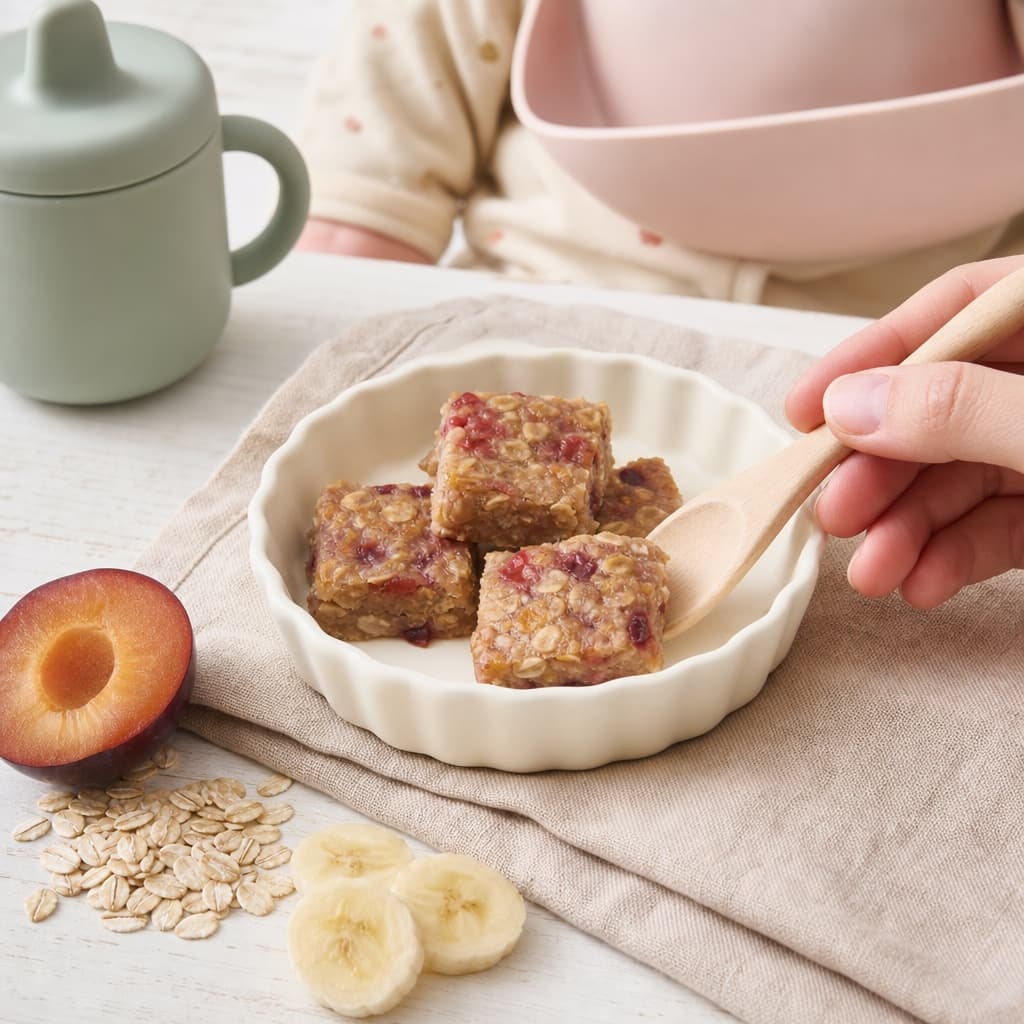
Plum Oat Soft Squares
child_care8 months+schedule25 min
FiberEnergy
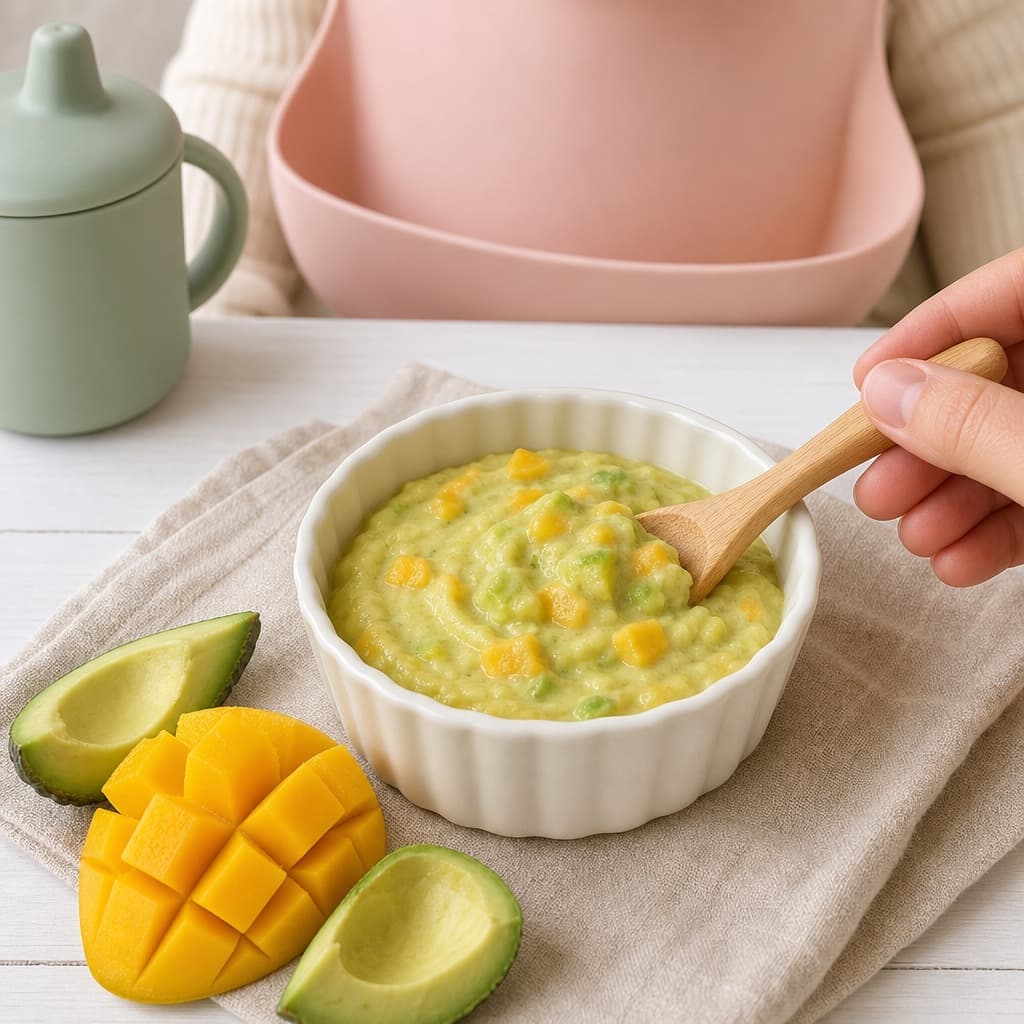
Avocado Mango Mash Cup
child_care6 months+schedule5 min
Healthy FatsEnergy
Banana Yogurt Toast Soldiers
child_care8 months+schedule10 min
EnergyCalcium
Frequently Asked Questions
What are nutrition tags on baby recipes?
Nutrition tags highlight what a recipe delivers - iron-rich, high-protein, omega-3, fiber-rich, calcium-rich, healthy-fats, vitamin C, and more. They help you target specific nutrients your baby may need at a given stage.
Which nutrients matter most for babies starting solids?
Iron leads from 6 months (birth stores deplete; RDA is 11 mg/day at 7-12 months). Healthy fats (avocado, salmon, egg yolk) support brain development. Calcium and vitamin D matter from 6m for bone growth. Protein and zinc round out the priority list.
Should I track grams of nutrients for my baby?
No precise tracking needed. Aim for variety: include an iron-rich food at 1-2 meals, healthy fats daily, calcium-rich foods (yogurt, cheese, broccoli) regularly, and a wide range of fruits and vegetables. Consistency over a week matters more than any single meal.
What if my baby doesn't get enough iron through food?
Most babies meet iron needs through varied solids from 6 months. Breastfed babies are at higher risk than formula-fed (formula is iron-fortified). If iron intake stays low, your pediatrician may recommend an iron supplement or fortified cereal - not from food labels alone.
Are healthy fats important for babies?
Yes - fats supply ~50% of a baby's calories in the first year and are critical for brain development. Avocado, salmon, full-fat yogurt, olive oil, butter (after 12m for any added butter), and nut butters thinned to a safe consistency are all baby-appropriate sources.
What's the difference between heme and non-heme iron?
Heme iron (from animal foods) is absorbed at 15-35%; non-heme iron (from plants) at 2-20%. Pair plant iron with vitamin C foods (citrus, kiwi, tomato, bell pepper) to dramatically boost absorption. Avoid serving plant iron with cow's milk, dairy, or tea, which block absorption.